GroupsGrant Writing

Grant Writing

The Grant Writing Community of Practice(CoP) brings together Early Career Researchers, Experienced Researchers, and Grant writing professionals among others to share best practices on writing and winning grants. Feel free to join the movement.
1133 members Created Apr 23, 2024 public
💬 Forum
groups
Ilham started the topic mentorship and academic networks in Grant Writing

How can mentorship and academic networks be leveraged to improve the quality of grant proposals?

groups

How should researchers discuss potential risks in a grant proposal without undermining confidence in the project’s feasibility?<div>

This is one of the questions a researcher should not overlook risk potential in the grant proposal stage because you don’t avoid risk, it should be frame to a manageable and anticipated. The Reviewers are expecting risks on a strong proposal that is compelling. What they’re evaluating is whether you are a thoughtful, prepared researcher. The following keys should be considered in risks management, e.g.:

Ø By acknowledging Risks Briefly and Clearly understandable

Ø By pair Every Risk with a Mitigation Strategy

Ø By emphasizing Preparedness, Not Uncertainty

Ø By categorizing Risks (Optional but Powerful in term of Methodological risks (e.g., data quality issues), Operational risks (e.g., access to participants), Technical risks (e.g., platform failure for digital repositories), and Ethical risks (e.g., data privacy concerns)

Ø By showing Feasibility Through Track Record or Design

Ø Avoid Overloading with Too Many Risks

Ø Use a Risk Table

Ø End with a Confidence Statement

</div>

groups
Topistar posted an update
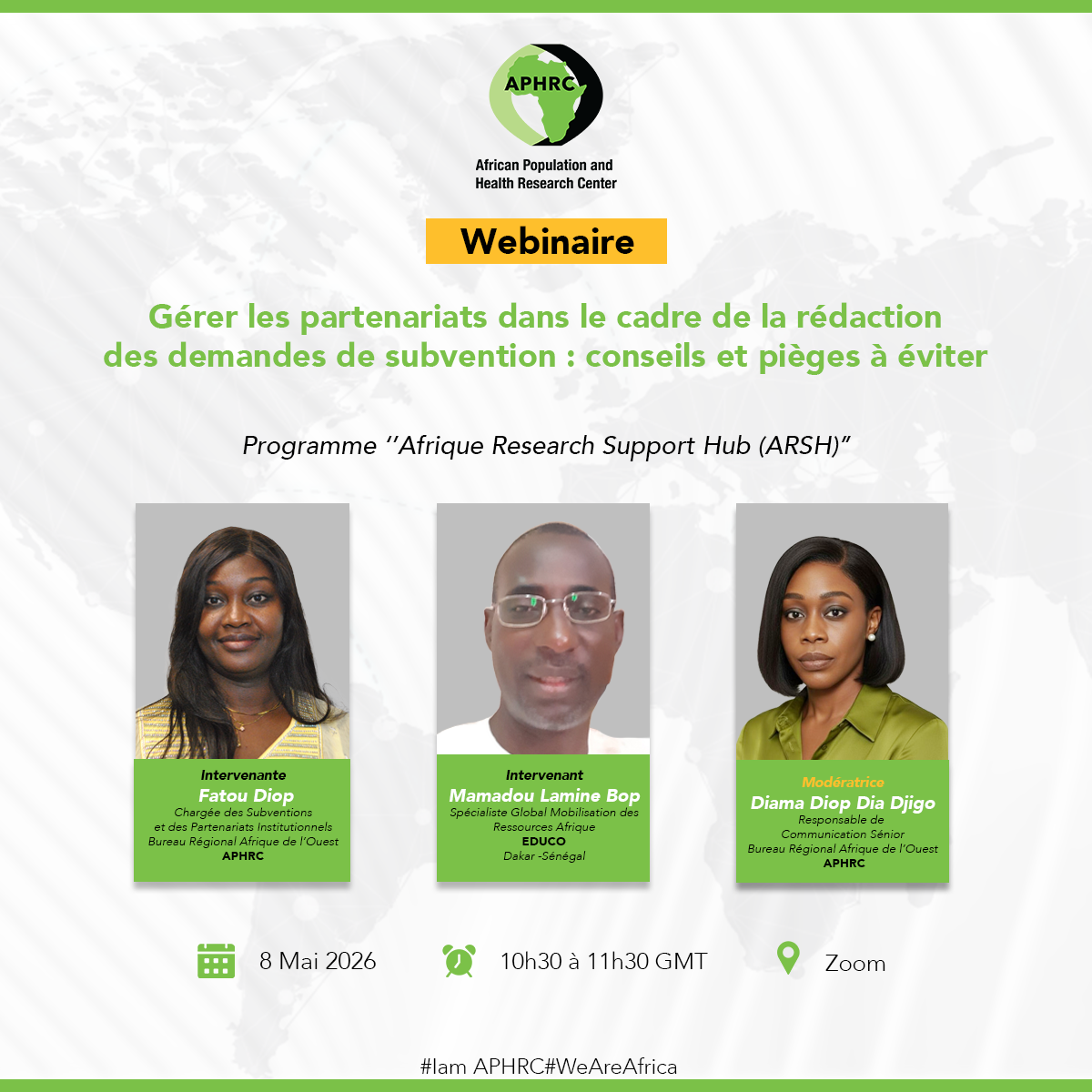
The latest monthly news round-up from the Afrique Research Support Hub (ARSH) is out!Explore highlights from ARSH’s work to strengthen research grantsmanship across Africa, plus curated funding and training opportunities, resources, and upcoming engagements for early- and mid-career researchers. Read…
groups

Hi, I’m Charles Anyama from Purpose Rwanda in Kigali.

In grant writing, risk refers to the potential challenges or uncertainties that could affect the success of a project. These risks don’t mean the project will fail; rather, they highlight areas where extra care and planning are needed. Common types of risks include:

<ul type=\"disc\">

  • Financial risks – delays in funding or unexpected costs.
  • Operational risks – logistical challenges,
    staffing issues, or resource shortages.
  • Political or environmental risks – policy changes, instability,
    or natural events.
  • Social and cultural risks – stigma, low community
    participation, or resistance to change.
  • By acknowledging these possibilities, an NGO/Institution demonstrates foresight and responsibility.

    1. Shows Credibility and Transparency

    Recognizing risks proves that an organization is grounded in reality. It signals to donors that the organization understands the complexities of working in communities where political, financial, cultural, or logistical challenges are part of everyday life.

    2. Builds Donor Confidence

    Donors want assurance that their investment is safe. When an organization identify risks and explain how it will manage them, it’s an indication of readiness and thoughtfulness to adoption obstacles may arise.

    3. Highlights Organizational Maturity

    Experienced organizations don’t just celebrate success—they anticipate setbacks. Including risks demonstrates that Purpose Rwanda is professional, seasoned, and prepared to navigate difficulties.

    4. Encourages Realistic Planning

    Risk analysis compels an NGO/Institution to move beyond ideal scenarios. It helps design programs that are resilient, flexible, and sustainable, even when circumstances shift unexpectedly.

    5. Strengthens Sustainability

    Planning for risks is also planning for longevity. Donors see that an organization is not simply chasing funding but building systems that can withstand challenges over time.

    Taking it from practical perspectives of Purpose Rwanda, instead of avoiding risks, we acknowledge them with confidence:

    We recognize that community participation may fluctuate due to economic pressures or cultural stigma around addiction. To mitigate this, we engage local leaders early, provide consistent follow-up, and adapt our outreach methods to ensure inclusivity.

    This kind of response feels honest yet reassuring—it shows awareness of challenges while emphasizing readiness to overcome them.

    groups

    Thank you for raising this,
    Dr. Benard. Discussing risks in a grant proposal is not a weakness but rather a
    reflection of intellectual honesty and research maturity. The key is to frame
    risks as anticipated challenges and to always pair each one with a clear
    mitigation strategy so reviewers can see that you have thought ahead and are
    prepared to adapt. It also helps to be selective, focusing only on the most
    relevant risks rather than listing every possibility and, where possible, drawing on your team\'s prior experience to build confidence in your ability to
    deliver. Funders do not expect a perfect project; they expect a prepared team.

    groups

    I think if any risk identified has well thought out root cause and adequate mitigation measures, it can be seen as a strength as opposed to a weakness. At the same time, not identifying obvious risks may show risk unawareness or cover up.

    groups

    How should researchers discuss potential risks in a grant proposal without undermining confidence in the project’s feasibility?

    groups

    Strong alignment between activities and the budget begins with designing the budget as a reflection of the workplan, each major activity should match clearly labeled cost categories (personnel, logistics, materials, monitoring), enabling reviewers to trace exactly how resources translate into implementation. This alignment is reinforced by quantifying assumptions (e.g., number of trainings, participants, field visits, unit costs), which shows that the budget is not arbitrary but based on realistic operational planning. Lastly, concise budget justifications that explicitly connect costs to expected outputs help reviewers understand the proposal\'s logic, reinforcing feasibility and confidence that resources will directly lead to the desired results.

    groups

    By strengthening the alignment between planned activities and associated budget lines to ensure clarity, feasibility and reviewer confidence are one of the most critical factors considered for successful grant writing. The reviewers look for <em data-start=\"156\" data-end=\"207\">logic, transparency, realism, and value for money. There are practical strategies to ensure clarity, feasibility, and reviewer confidence, such as: Develop an activity–budget mapping matrix, use the work plan to drive the budget, provide detailed budget narratives, break down lump sums, show logical proportions, align the timeline with cash flow, demonstrate cost realism, show value for money, maintain consistent terminology, and conduct an internal “reviewer test.\"

    groups

    Clear alignment between planned activities and budget lines turns a proposal from plausible to persuasive. Map every activity to specific budget lines, show unit math and assumptions, and link costs to deliverables and milestones so reviewers can trace how money produces results. Ground major figures with recent quotes or market checks, present a milestone-based cashflow, and cross‑reference the narrative to budget line numbers to remove ambiguity.

    Quick final checklist

    • Traceability: Each activity cites a budget line and a measurable deliverable.

    • Transparency: Unit cost × quantity calculations and assumptions are visible.

    • Credibility: Vendor quotes, procurement rules, and a small contingency are documented.

    These steps reduce perceived risk, demonstrate feasibility, and increase reviewer confidence that the project can be delivered on time and on budget.

    groups

    I completely agree with colleagues, its imperative to ensure each study activity is budgeted for as this speaks to feasibility, where some costs are in-kind or through other partner institutions e.g Ministry of Health, this should come out clearly and have support letters to this effect as it also impacts feasibility. An important one is also to review grant guidelines on allowable costs and non-allowable costs, usually the grants management team can assist with this to ensure alignment between study activities, budget lines and funder expectations.

    groups

    A strong way to improve alignment between planned activities and budget lines in a grant proposal is to
    treat the budget as the financial representation of the project work plan. Each
    activity should clearly indicate the resources required for implementation, such
    as personnel time, materials, travel, and logistics, and these should appear
    directly and transparently in the corresponding budget lines. Developing a
    clear activity framework that links objectives, activities, outputs, and
    timelines before preparing the budget helps ensure that every activity is
    adequately funded and that no budget item appears without a clear purpose.
    Providing brief budget justifications and using unit-based cost estimates
    grounded in realistic market rates further strengthens clarity and feasibility.
    When the proposal narrative, work plan, and budget consistently reflect the
    same logic, reviewers can easily understand how the requested resources will
    support the proposed activities and deliver the intended results, which
    significantly enhances credibility and reviewer confidence.

    groups

    The objectives of the study should be clearly lead to set activities. The systematic flow of how activities will be implemented in order of objectives, will assist to elaborate the set budget. Let the order of priority take precedence and lay on table every explanation associated with the activity and provided reasonable market range on budgeted activity. There is need to do assessment on prevailing costs at the time of submitting the grant, so that the set amount does not hit beyond maximum or below minimum range. Always avail reasonable amount without exaggeration.

    groups

    Align the budget with a detailed work plan by clearly linking each cost to specific activities and timelines, using consistent language and clear justifications. Avoid lump sums and ensure every activity is budgeted and every expense explained to demonstrate feasibility and build reviewer confidence.

    groups

    One way we can strengthen alignment is to design activities and budgets side-by-side, ensuring every cost tells a clear story of why an activity matters and how it will be delivered. Instead of listing expenses as isolated line items, we link each budget element to a specific output or milestone so reviewers can instantly see value, necessity, and feasibility. When our budget mirrors our work plan, with no unexplained gaps or assumptions, we signal strategic thinking, transparency, and the capacity to deliver exactly what we promise.

    COP Admin
    Organizer 🌱 Newcomer
    Gideon Kiprotich
    Organizer 🌱 Newcomer
    Ann Waithaka
    Moderator 🌱 Newcomer
    harmonie
    Moderator 🌱 Newcomer
    Topistar
    Moderator 🌱 Newcomer
    _abdi
    Member 🌱 Newcomer
    02annie
    Member 🌱 Newcomer
    2012
    Member 🌱 Newcomer
    254
    Member 🌱 Newcomer
    2580
    Member 🌱 Newcomer
    6079
    Member 🌱 Newcomer
    777
    Member 🌱 Newcomer
    Aaron
    Member 🌱 Newcomer
    Abadi Hailay
    Member 🌱 Newcomer
    Abdou
    Member 🌱 Newcomer
    Abdoulie
    Member 🌱 Newcomer
    abdu
    Member 🌱 Newcomer
    Abdu Umar
    Member 🌱 Newcomer
    Abdullahi
    Member 🌱 Newcomer
    Abdullahi
    Member 🌱 Newcomer
    Abdullahi
    Member 🌱 Newcomer
    Abdullahi Mohamed
    Member 🌱 Newcomer
    Abdulmajid
    Member 🌱 Newcomer
    abe
    Member 🌱 Newcomer
    Abigail
    Member 🌱 Newcomer
    Abinet
    Member 🌱 Newcomer
    ABOUBACAR CHAIBOU Nouroudine
    Member 🌱 Newcomer
    Aboubacar SOMBIE
    Member 🌱 Newcomer
    Achieng Ottieno
    Member 🌱 Newcomer
    Achwaa Christine
    Member 🌱 Newcomer
    Adaoha Agu
    Member 🌱 Newcomer
    Adebolanle
    Member 🌱 Newcomer
    Adedayo
    Member 🌱 Newcomer
    Adedoyin
    Member 🌱 Newcomer
    Adewale A. Adeyeye
    Member 🌱 Newcomer
    Adhiambo
    Member 🌱 Newcomer
    Adili
    Member 🌱 Newcomer
    Adrian
    Member 🌱 Newcomer
    Adriano
    Member 🌱 Newcomer
    ae1
    Member 🌱 Newcomer
    Afolake Olanbiwoninu
    Member 🌱 Newcomer
    AFPH Zambia
    Member 🌱 Newcomer
    Agaba
    Member 🌱 Newcomer
    Ahmed
    Member 🌱 Newcomer
    Aishatu Abdu Ismail
    Member 🌱 Newcomer
    Aissatou
    Member 🌱 Newcomer
    Akanyang Thando
    Member 🌱 Newcomer
    Akolade
    Member 🌱 Newcomer
    alabama
    Member 🌱 Newcomer
    Aldegunda
    Member 🌱 Newcomer
    Alemayehu Abate
    Member 🌱 Newcomer
    ALEMMETA Assefa
    Member 🌱 Newcomer
    alen
    Member 🌱 Newcomer
    Alex matasian
    Member 🌱 Newcomer
    Alex Mavuti
    Member 🌱 Newcomer
    ALEXANDER
    Member 🌱 Newcomer
    Alexandre
    Member 🌱 Newcomer
    Alfred
    Member 🌱 Newcomer
    Ali
    Member 🌱 Newcomer
    Ali Yendou-Gname
    Member 🌱 Newcomer
    Alice Muhayimana
    Member 🌱 Newcomer
    Allan Aluda
    Member 🌱 Newcomer
    Alou SANOGO
    Member 🌱 Newcomer
    Alpha
    Member 🌱 Newcomer
    Amanda
    Member 🌱 Newcomer
    Amatsi87.32
    Member 🌱 Newcomer
    Ambrose
    Member 🌱 Newcomer
    amelo
    Member 🌱 Newcomer
    Amina
    Member 🌱 Newcomer
    Aminu Bayawa Muhammad
    Member 🌱 Newcomer
    Anderson
    Member 🌱 Newcomer
    andia
    Member 🌱 Newcomer
    Ando Tiana Raobelison
    Member 🌱 Newcomer
    Andrew
    Member 🌱 Newcomer
    Andrew
    Member 🌱 Newcomer
    Andrew Kimengich
    Member 🌱 Newcomer
    angel
    Member 🌱 Newcomer
    Angeline
    Member 🌱 Newcomer
    Angole Francis
    Member 🌱 Newcomer
    Ani Etokidem
    Member 🌱 Newcomer
    anita
    Member 🌱 Newcomer
    Anita
    Member 🌱 Newcomer
    Anita Nyaboke
    Member 🌱 Newcomer
    anitha
    Member 🌱 Newcomer
    ANN MUNYAKA
    Member 🌱 Newcomer
    anna
    Member 🌱 Newcomer
    Anna Kasililika
    Member 🌱 Newcomer
    Anson
    Member 🌱 Newcomer
    Anthony
    Member 🌱 Newcomer
    Anthony Ibrahim
    Member 🌱 Newcomer
    Anthony Idowu Ajayi
    Member 🌱 Newcomer
    anyabuti
    Member 🌱 Newcomer
    aposi
    Member 🌱 Newcomer
    Arega
    Member 🌱 Newcomer
    Aristid
    Member 🌱 Newcomer
    Aristide
    Member 🌱 Newcomer
    Arnold
    Member 🌱 Newcomer
    Arnold
    Member 🌱 Newcomer
    asena
    Member 🌱 Newcomer
    Ashenafi
    Member 🌱 Newcomer